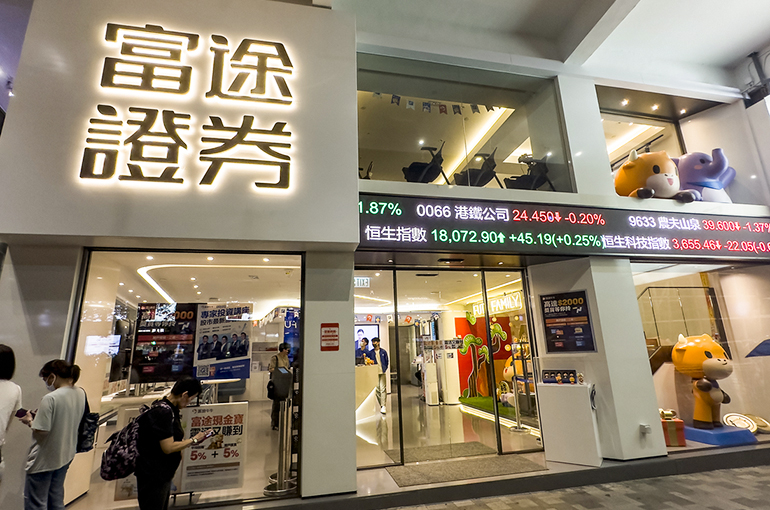
Background
On 25 May 2026, Chinese regulatory authorities, led by the China Securities Regulatory Commission (CSRC), intensified their crackdown on unlicensed cross-border brokerage services. The enforcement targets Chinese online platforms facilitating offshore stock trading for domestic mainland residents without localized licenses. This regulatory tightening severely impacts capital outflow channels and reshapes the operational landscape for regional digital brokerages.
Key Observations
- Regulatory Perimeter Evasion: Platforms like Futu Holdings (Moomoo), Uptech (Tiger Brokers), and Longbridge operated in a legal gray area by soliciting mainland clients without native securities licenses.
- Capital Control Circumvention: The provision of offshore account-opening and trading functionalities directly bypassed mainland China’s strict capital account restrictions and official outbound channels.
- Data Security Vulnerabilities: Cross-border transmission of mainland investor personal and financial data to offshore servers raised critical compliance concerns under China’s data sovereignty laws.
- Investor Protection Deficiencies: Onshore retail investors utilizing these unlicensed platforms lacked legal recourse or institutional safeguards within the domestic judicial framework during disputes.
Regulatory Expectations to Address Gaps
- Strict Licensing Adherence: FIs must operate strictly within the geographic and jurisdictional boundaries of their explicit regulatory permissions and licensing grants.
- Cessation of Domestic Solicitation: Unlicensed offshore brokers are expected to immediately dismantle mainland-facing marketing, localized app downloads, and domestic client onboarding frameworks.
- Orderly Account Rectification: Regulators expect firms to implement a “sell-only” restriction on existing mainland accounts, prohibiting new capital deposits while facilitating systematic asset liquidations.
- Enhanced KYC and Source Vetting: Financial institutions are expected to rigorously audit the tax residency and funding sources of clients to eliminate illicit cross-border gray-market flows.
What’s Next?
Brokerages in Singapore must prepare for a permanent structural shift in regional retail capital flows involving China clients. Future developments will pressure financial institutions to:
Diversify Geographic Revenue: Brokerages heavily reliant on mainland client volumes must urgently pivot toward alternative markets to offset severe revenue contractions.
Monitor balance sheet stress: Brokerages in Singapore hit either directly or indirectly by the China crackdown will suffer revenue declines, as well as significant penalties, which will hurt their regulatory capital ratios.
Tighten Onboarding Protocols: Compliance teams must implement stricter digital perimeters and IP-blocking to ensure mainland residents cannot circumvent account-opening restrictions.
Navigate Inter-Jurisdictional Conflict: Firms operating across borders face heightened friction as regulators in hubs like Hong Kong and Singapore coordinate closer oversight with mainland authorities.
How Can We Help?
Capital Governance can assist financial institutions in:
- Augmented Customer Account Reviews: Helping brokerages with potential exposure to mainland China business to review all such accounts to confirm their risk of China regulatory actions.
… and more